

United States (OSHA 1910 / ANSI B11/ ANSI/RIA R15.06)
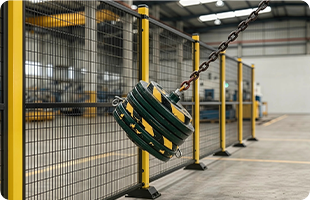
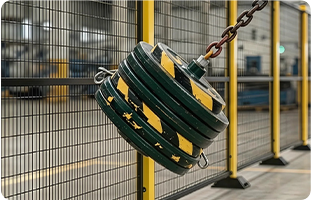
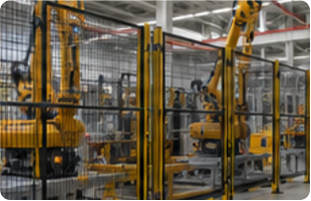
U.S. standards focus on risk assessment and ensuring operators cannot access hazardous areas. OSHA and ANSI emphasize safety outcomes rather than fixed design rules, allowing flexibility in mesh size and structure. Compliance depends on effective hazard prevention, with employers responsible for ensuring adequate machine guarding.

Australia & New Zealand (AS/NZS 4024)
Aligned with ISO standards, focusing on risk assessment and safety distance. Covers guard design and interlocking systems. Widely used in industrial and automation sectors.
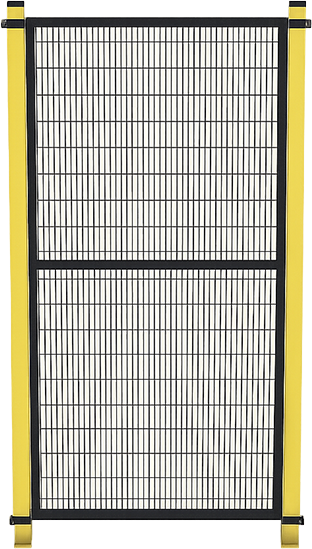

Europe (CE/EN ISO 14120 / EN ISO 13857/ EN ISO 10218)
European standards are highly prescriptive, defining strict requirements for guard design, strength, and safety distances. Mesh size must match minimum distance rules to prevent access to danger zones. Systems must also meet durability, stability, and anti-tampering requirements.

Canada (CSA Z432)
ISO- standard based emphasizing risk assessment and effective safeguarding. Defines requirements for guard design and safety distances to prevent hazard access.